Understanding the Amount of Smoke and Dust Emitted by Vehicles: An Analysis
In the modern era, the transportation sector plays a pivotal role in the global economy. However, it also contributes significantly to environmental pollution, particularly in terms of smoke and dust emissions from vehicles. This article aims to delve into the amount of smoke and dust emitted by cars, the factors influencing these emissions, and the potential consequences of such pollution.
The Amount of Smoke and Dust Emitted by Vehicles
The amount of smoke and dust emitted by vehicles varies significantly based on several factors, including the type of vehicle, its age, the fuel it runs on, and driving conditions. Here's a breakdown of these factors:
Type of Vehicle: Different types of vehicles emit varying amounts of smoke and dust. For instance, heavy-duty trucks tend to emit more pollutants than passenger cars due to their larger engines and heavier loads.
Age of the Vehicle: Older vehicles often emit more smoke and dust than newer models. This is because modern vehicles are equipped with advanced emissions control technologies that reduce the amount of pollutants released into the atmosphere.
Fuel Type: The fuel a vehicle uses also plays a crucial role in determining its emissions. Vehicles that run on gasoline emit different pollutants compared to those that run on diesel. Generally, diesel vehicles emit more particulate matter (PM), which includes smoke and dust.
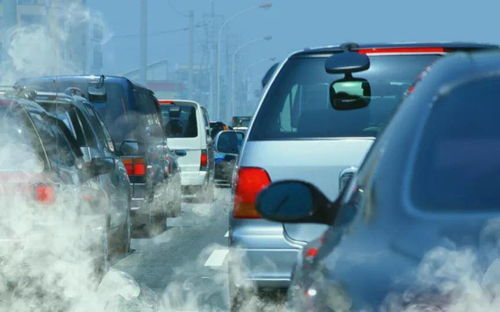
Driving Conditions: The amount of smoke and dust emitted by a vehicle can also be influenced by driving conditions. For example, idling for extended periods or driving in stop-and-go traffic can increase emissions.
Average Emissions per Vehicle
According to various studies, the average amount of smoke and dust emitted by a vehicle can be estimated as follows:
Factors Influencing Emissions Control
Several factors influence the effectiveness of emissions control technologies in vehicles:
Engine Design: Modern engines are designed to minimize emissions by optimizing combustion processes and incorporating advanced technologies like turbocharging and direct fuel injection.
Emissions Control Systems: Modern vehicles are equipped with various emissions control systems, such as catalytic converters, particulate filters, and oxygen sensors, which help reduce the amount of pollutants released into the atmosphere.
Regulatory Standards: Governments around the world have implemented stringent emissions standards to ensure that vehicles meet certain pollution thresholds. These standards have significantly reduced the amount of smoke and dust emitted by vehicles over the years.
Consequences of Smoke and Dust Emissions
The emission of smoke and dust from vehicles has several adverse effects on the environment and human health:
Environmental Impact: Smoke and dust contribute to air pollution, which can lead to smog formation, acid rain, and the degradation of ecosystems.
Health Risks: Exposure to high levels of air pollutants can cause respiratory problems, cardiovascular diseases, and other health issues.
Economic Costs: The health and environmental impacts of vehicle emissions result in significant economic costs, including healthcare expenses and the loss of productivity.
Conclusion
Understanding the amount of smoke and dust emitted by vehicles is crucial for developing effective strategies to reduce pollution. By focusing on advancements in vehicle technology, stricter emissions standards, and public awareness campaigns, we can work towards a cleaner and healthier future for all.