The Many Faces of Public Buses: Exploring the Diversity of Public Transportation in English
Public buses, a common sight in urban landscapes worldwide, play a crucial role in connecting communities and facilitating daily commutes. The term "public buses" itself encapsulates a vast array of vehicles designed to serve the public transportation needs of cities and towns. In English, this term is often used in various contexts, reflecting the diversity and importance of these vehicles in modern society. Let's delve into the many aspects of public buses and how they are referred to in English.
Firstly, the word "public" in "public buses" signifies that these vehicles are operated and maintained for the use of the general public, as opposed to private or luxury transportation options. This distinction is essential in understanding the purpose and function of public buses. In English, the term "public" is often used to emphasize the accessibility and inclusivity of public transportation systems.
When discussing public buses, the quantity or number of buses is a frequent topic of conversation. The phrase "how many public buses" is a common question, especially when considering the scale of public transportation in a city. For instance, in a bustling metropolis like New York City, you might hear someone say, "There are hundreds of public buses running throughout the city every day."
Public buses come in various sizes and types, each with its own unique characteristics. Here are some of the different types of public buses you might encounter:
City Buses: These are the most common type of public bus, designed to navigate urban environments. They are often characterized by their small size, allowing them to maneuver through tight streets and crowded areas.
Downtown Buses: These buses are specifically designed to serve the needs of passengers in city centers. They often have dedicated routes and schedules that cater to the high demand for transportation in these areas.
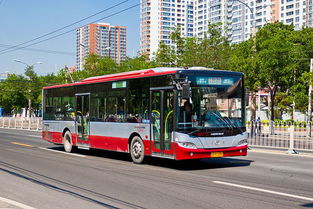
Suburban Buses: These buses serve the outer suburbs of cities, providing transportation to areas that may not be as densely populated. They often have longer routes and may require transfers to reach the city center.
Express Buses: Express buses are designed to provide faster travel times by skipping certain stops and traveling on faster routes. They are a popular choice for commuters who need to reach their destinations quickly.
Night Buses: Night buses operate during the late hours of the night when regular public transportation services are not available. They are essential for ensuring that people can travel safely after the regular service hours have ended.
Handicap-Accessible Buses: These buses are equipped with features to accommodate passengers with disabilities, such as ramps or lifts. The term "accessible" is often used to describe these buses, emphasizing their commitment to inclusivity.
In English, the term "public buses" is also associated with several other expressions and phrases that reflect the different aspects of these vehicles:
Public transit: This term is often used interchangeably with "public buses" and encompasses all forms of public transportation, including trains, subways, and trams.
Bus routes: Refers to the specific paths that public buses follow, which are often detailed in schedules and maps.
Bus stop: The location where passengers board and alight from public buses. Bus stops are typically marked with signs and are strategically placed along bus routes.
Bus lane: A designated lane on a road reserved for public buses to ensure smoother and faster travel during peak hours.
Bus fare: The cost that passengers must pay to ride a public bus. Fare collection methods vary, from simple cash transactions to automated fare cards and mobile payment systems.
Bus driver: The professional who operates the public bus and is responsible for ensuring the safety and comfort of passengers.
Bus depot: The facility where public buses are stored, maintained, and prepared for service.
In conclusion, the term "public buses" in English is a multifaceted concept that encompasses a wide range of vehicles and services designed to serve the public transportation needs of cities and towns. From city buses to express services, night buses to handicap-accessible vehicles, the diversity of public buses reflects the dynamic nature of urban transportation systems. Understanding the various aspects of public buses is crucial for anyone looking to navigate the complexities of modern public transportation.